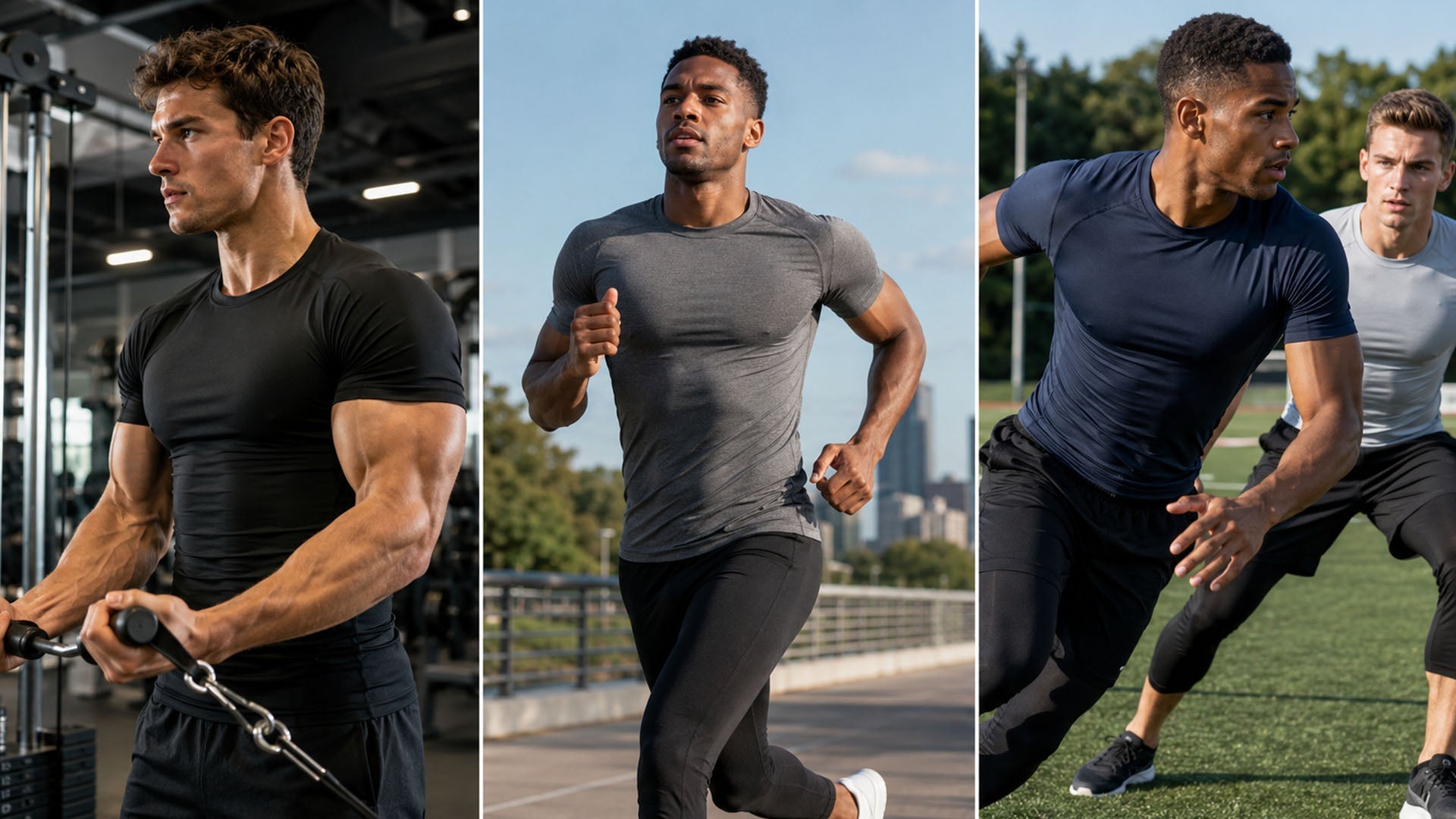
Emerging Aesthetics: The Next Big Shifts in Fashion That Are Redefining Style

Introduction & Background
Fashion has always been a dynamic reflection of culture, technology, and society. As we move deeper into the 21st century, the industry is undergoing a profound transformation driven by innovation, sustainability, and shifting consumer values. Emerging aesthetics are not just about clothing anymore. They represent a broader movement toward individuality, inclusivity, and responsibility. This evolution is reshaping how we perceive style, pushing boundaries that were once unimaginable. From digital fashion to gender-neutral designs, the next big shifts in fashion are redefining what it means to dress with purpose and creativity. Understanding these changes is essential for anyone invested in the future of style, whether as a creator, consumer, or enthusiast.
Concept & Overview
The concept of emerging aesthetics in fashion revolves around the idea of breaking traditional norms and embracing new forms of expression. At its core, this movement prioritizes authenticity, sustainability, and technological integration. It challenges the conventional runway-to-retail model by incorporating digital platforms, AI-driven design, and circular fashion practices. Unlike past trends that followed seasonal cycles, today’s aesthetics are fluid, adaptable, and often user-generated. This shift is fueled by a younger generation that values transparency, ethical production, and personal storytelling through clothing. The result is a more diverse and dynamic fashion landscape where creativity knows no limits.
Emerging aesthetics also respond to global challenges such as climate change and social inequality. Brands and designers are increasingly aware of their environmental impact, leading to the rise of zero-waste patterns, upcycled materials, and carbon-neutral production methods. Simultaneously, fashion is becoming a powerful tool for social commentary, amplifying voices that have historically been marginalized. The fusion of art, technology, and activism is creating a new visual language that resonates with modern audiences. As these trends gain momentum, they are not only influencing what we wear but also how we think about fashion as a whole.
Key Features & Highlights
- Digital Fashion & Virtual Runways: The rise of NFTs and digital clothing is revolutionizing how fashion is consumed. Virtual runways and augmented reality try-on experiences are making fashion more accessible and sustainable. Consumers can now own digital wardrobes for their avatars or social media profiles, reducing the need for physical production.
- Gender-Neutral & Inclusive Designs: Traditional gender binaries in fashion are dissolving. Designers are creating collections that cater to all identities, using unisex silhouettes, neutral color palettes, and adaptive clothing. This shift is fostering a more inclusive industry that celebrates diversity in body types, ages, and backgrounds.
- Sustainable & Circular Fashion: The focus on eco-conscious materials like organic cotton, hemp, and recycled polyester is growing. Brands are adopting circular economy principles, encouraging repair, resale, and rental models to extend the lifecycle of garments.
- AI & Personalized Style: Artificial intelligence is transforming the way fashion is designed and personalized. AI tools analyze consumer preferences to create bespoke pieces, while algorithms curate wardrobes based on individual tastes and body measurements. This technology is making fashion more tailored and efficient.
- Upcycled & Thrifted Aesthetics: The resurgence of vintage and thrifted fashion is not just a trend but a cultural statement. Upcycling old garments into new designs adds uniqueness and reduces waste. This movement is also democratizing style by making high-end fashion more affordable.
- Minimalism & Maximalism Fusion: The lines between minimalist elegance and maximalist extravagance are blurring. Designers are experimenting with bold patterns, textures, and layering while maintaining clean, functional structures. This duality reflects the complexity of modern identity and self-expression.
- Biophilic & Nature-Inspired Designs: Fashion is drawing inspiration from nature, incorporating organic shapes, earthy tones, and sustainable materials. Biophilic design principles are being applied to clothing, accessories, and even fashion shows, creating a harmonious connection between wearer and environment.
Frequently Asked Questions / Pros & Cons
What exactly are emerging aesthetics in fashion?
Emerging aesthetics refer to the new styles, movements, and philosophies that are shaping the future of fashion. These aesthetics are characterized by innovation, sustainability, inclusivity, and technology integration. They challenge conventional norms and prioritize individuality and responsibility in design and consumption.
Why are digital fashion and virtual runways becoming popular?
Digital fashion and virtual runways are gaining popularity because they offer sustainability and accessibility. They reduce the environmental impact of traditional fashion by eliminating the need for physical production and transportation. Additionally, they provide creative freedom for designers to experiment without limitations, while virtual platforms make fashion more inclusive for global audiences.
How is AI changing the fashion industry?
AI is revolutionizing the fashion industry by personalizing the shopping experience, optimizing supply chains, and enabling sustainable practices. AI-driven tools can predict trends, customize designs, and improve inventory management. It also helps brands reduce overproduction by analyzing consumer demand more accurately.
What are the benefits of gender-neutral fashion?
Gender-neutral fashion promotes inclusivity and self-expression by breaking down traditional gender barriers. It allows individuals to dress in a way that aligns with their identity rather than societal expectations. This movement also encourages brands to create more versatile and adaptable clothing, reducing the need for separate men’s and women’s collections.
What are the challenges of sustainable fashion?
The main challenges of sustainable fashion include higher production costs, limited access to eco-friendly materials, and consumer reluctance to pay premium prices. Additionally, greenwashing, the practice of misleadingly marketing products as sustainable, can undermine trust in ethical brands. Despite these hurdles, the industry is gradually shifting toward more responsible practices.
How can consumers adapt to emerging fashion trends responsibly?
Consumers can embrace emerging trends by prioritizing quality over quantity, supporting ethical brands, and exploring secondhand or rental options. Educating themselves about sustainable materials and transparent supply chains is also crucial. By making mindful choices, they can contribute to a more sustainable and inclusive fashion ecosystem.
Practical Guidance & Solutions
Adapting to the rapidly changing fashion landscape requires both awareness and action. For designers and brands, the first step is to integrate sustainability into every stage of the creative process. This means using recycled or biodegradable materials, optimizing patterns to minimize waste, and adopting ethical labor practices. Investing in digital tools like 3D sampling and AI-driven design can also streamline production while reducing environmental impact. Collaborating with artists, technologists, and activists can further enrich the creative process and align with modern values.
For consumers, the journey begins with a shift in mindset. Instead of chasing fast fashion trends, focus on building a wardrobe that reflects personal style and longevity. Thrifting, swapping clothes with friends, or renting pieces for special occasions are excellent ways to refresh a wardrobe without contributing to waste. When shopping, look for certifications like Fair Trade, GOTS, or B Corp to ensure ethical and sustainable practices. Additionally, supporting local designers and small businesses helps foster a diverse and resilient fashion community.
Education plays a vital role in this transition. Follow sustainable fashion influencers, attend workshops on upcycling, or participate in clothing repair sessions to learn practical skills. Social media platforms can be powerful tools for discovering brands that align with your values. By staying informed and making conscious choices, both consumers and creators can drive the fashion industry toward a more responsible and innovative future.
Conclusion
The fashion industry is at a pivotal moment, where creativity meets responsibility. Emerging aesthetics are redefining style by blending technology, sustainability, and inclusivity into a cohesive vision for the future. These shifts are not just about what we wear but how we live, consume, and express ourselves. As digital fashion becomes mainstream, gender norms continue to dissolve, and eco-conscious practices gain traction, the boundaries of style are expanding like never before.
For those willing to embrace change, the opportunities are endless. Whether you are a designer pushing the limits of innovation, a consumer making mindful choices, or simply someone who appreciates the art of fashion, these emerging aesthetics offer a chance to be part of something bigger. The next big wave in fashion is not just coming, it is here, and it invites everyone to reimagine the possibilities of style. By understanding and participating in this evolution, we can collectively shape a more vibrant, ethical, and inclusive future for fashion.