How to Choose Football Compression Shirts for Training
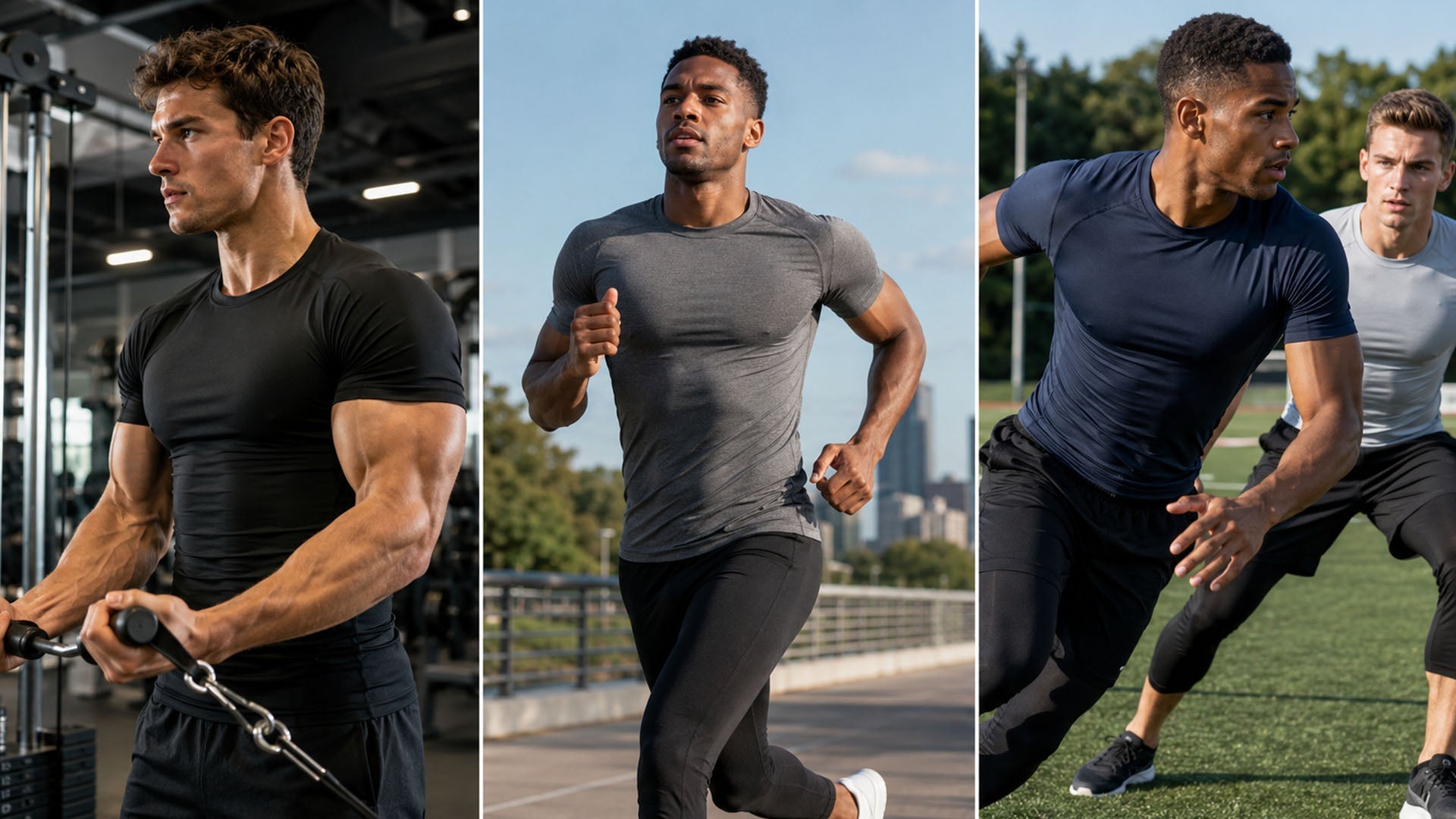
Football training involves running, sprinting, stretching, jumping, and constant movement. Because of this, players need training clothes that are comfortable and allow them to move freely. A football compression shirt can be a useful part of a training kit, especially when you want a close-fitting layer that stays in place during activity.
However, not every football compression shirts for training and games is the same. Fabric, fit, breathability, and durability can all affect your training experience. Here are some simple points to consider when choosing the right football compression shirt.
1. Choose a Comfortable Fit
A compression shirt should fit closely against the body without feeling painfully tight. The purpose of the close fit is to provide support and reduce excess fabric that could get in the way during movement.
Try different sizes and check how the shirt feels when you raise your arms, bend, stretch, and run. If the shirt restricts movement or feels uncomfortable, you may need a different size or cut.
2. Look for Breathable Fabric
Football training can make you sweat quickly, particularly during warm weather or long sessions. A breathable fabric can help air move around the body and make the shirt more comfortable.
Look for lightweight sports fabrics designed for active use. Materials that help manage moisture can also be useful because they can move sweat away from the skin and help the shirt dry more quickly.
3. Consider Moisture Management
Sweat can make clothing feel heavy and uncomfortable. For this reason, moisture management is an important feature in training apparel.
A good compression shirt should help move moisture away from the skin rather than simply absorbing large amounts of sweat. This can help you stay more comfortable during intense drills and workouts.
4. Check the Stretch and Flexibility
Football requires a wide range of movements. Players may need to stretch, turn quickly, reach for the ball, or make sudden changes in direction.
Choose a shirt made with a fabric that has enough stretch to move with your body. A flexible material can help prevent the shirt from feeling restrictive during training.
5. Pay Attention to Seams
Seams may seem like a small detail, but they can affect comfort. Rough or poorly placed seams can cause irritation when you are running or moving for long periods.
Flat or carefully positioned seams can reduce friction against the skin. This is especially useful when the shirt is worn for extended training sessions.
6. Choose the Right Sleeve Length
Compression shirts are available in short-sleeve, half-sleeve, and long-sleeve styles. Your choice can depend on the weather, training environment, and personal preference.
Short sleeves may be comfortable in hot conditions, while long sleeves can provide an additional layer during cooler training sessions. Some players may also prefer long sleeves for extra coverage during outdoor practice.
7. Think About Durability
Training clothes are washed regularly, so durability matters. A good compression shirt should maintain its shape and fit after repeated use and washing.
Before buying, check the quality of the fabric, stitching, and overall construction. Following the care instructions can also help extend the life of the shirt.
8. Pick a Design That Works for Your Team
If you are purchasing compression shirts for a football team, consider colours, logos, player numbers, and other design requirements. A consistent design can help create a coordinated training look.
For individual players, the priority may simply be comfort and personal style. Either way, choose a design that works well with the rest of your football training kit.
Final Thoughts
Choosing a football compression shirt is about finding the right balance between comfort, fit, flexibility, breathability, and durability. A shirt that fits properly and works well with your training conditions can make your practice sessions more comfortable.
Before making a purchase, consider when and where you will use the shirt, how often it will be washed, and what type of fit you prefer. With the right combination of fabric and design, a quality compression shirt can become a practical part of your regular football training gear.